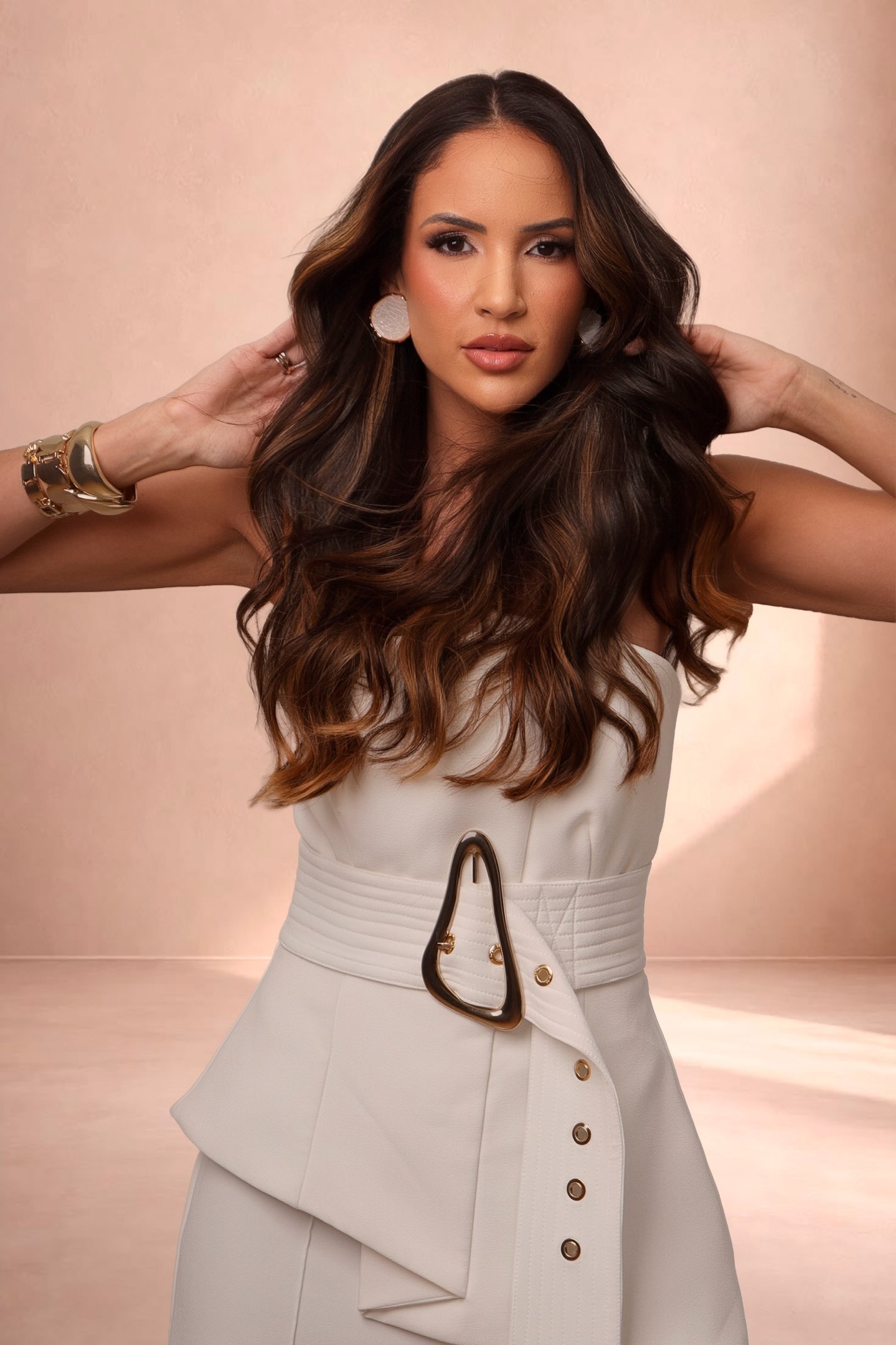
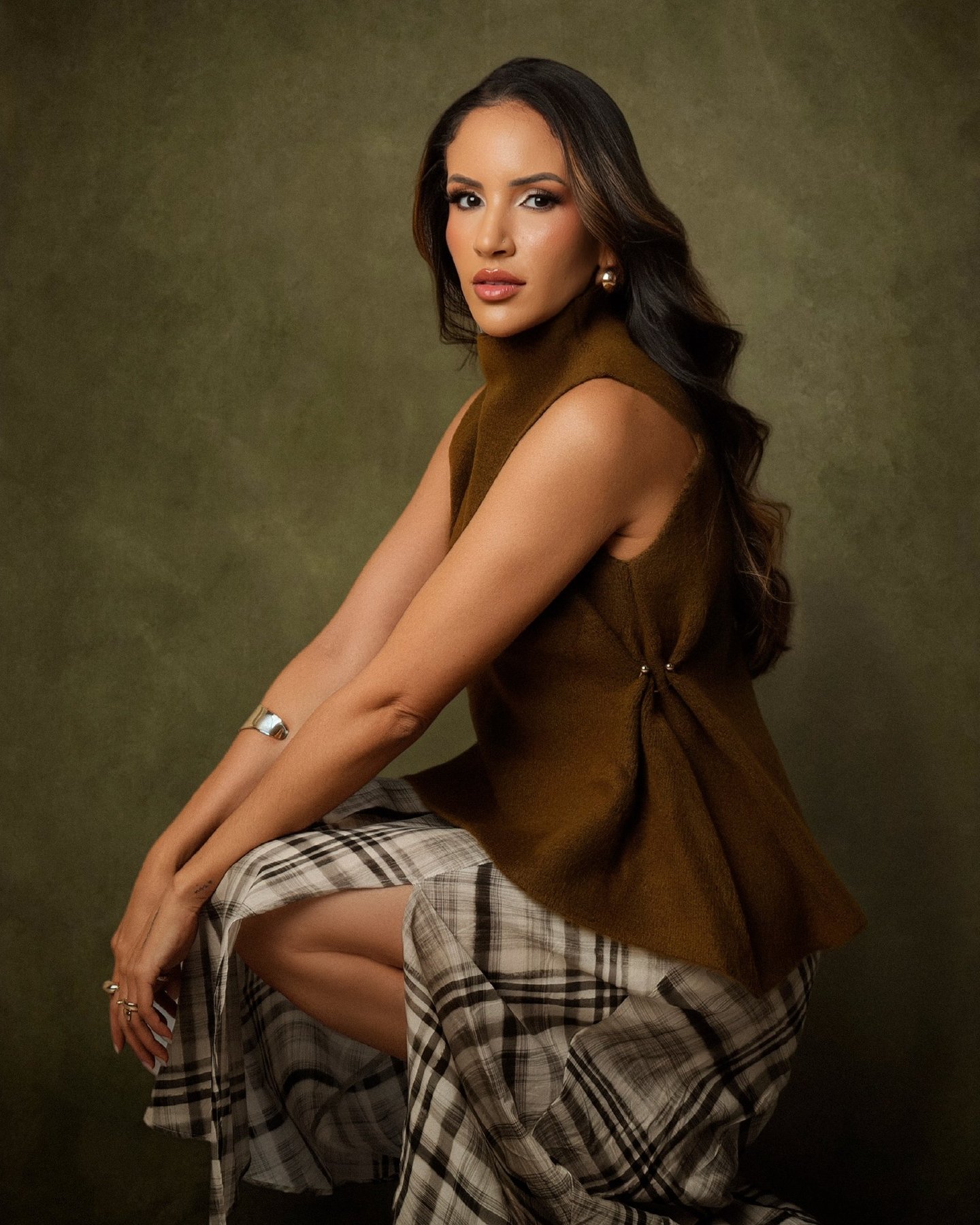
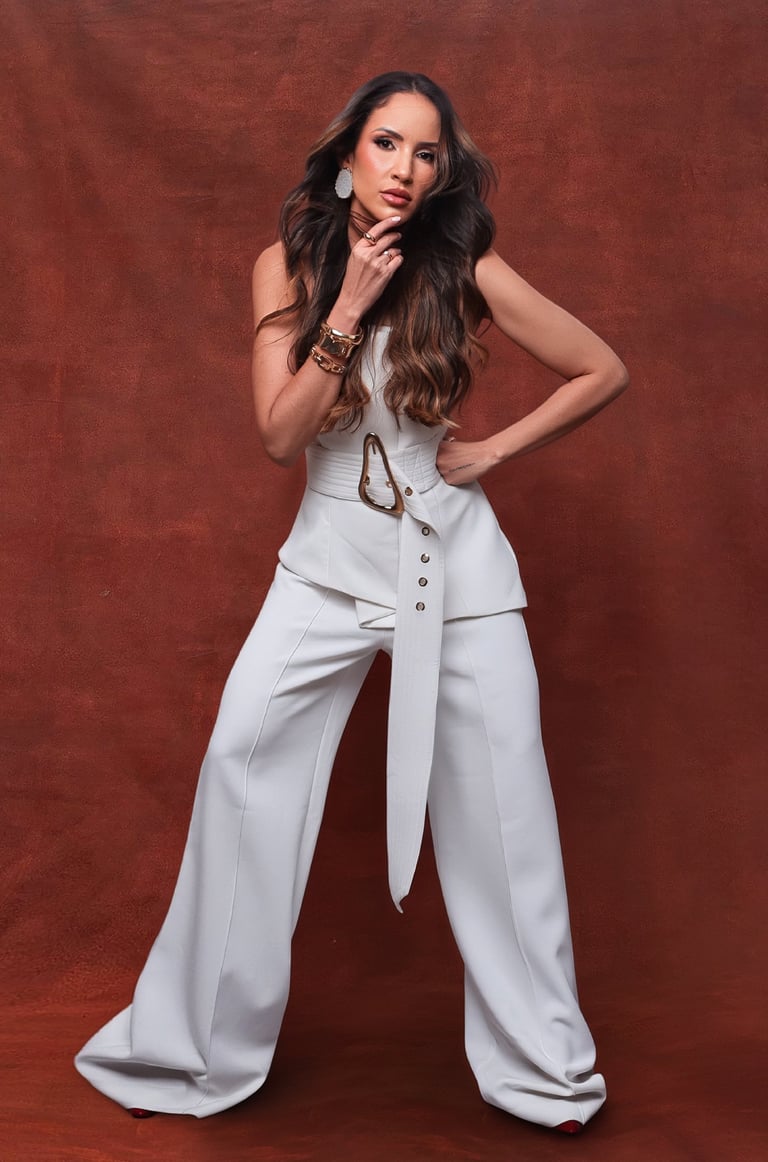
BARBARA MELO
The New Beauty
Personalization, Lightness, and Naturalness
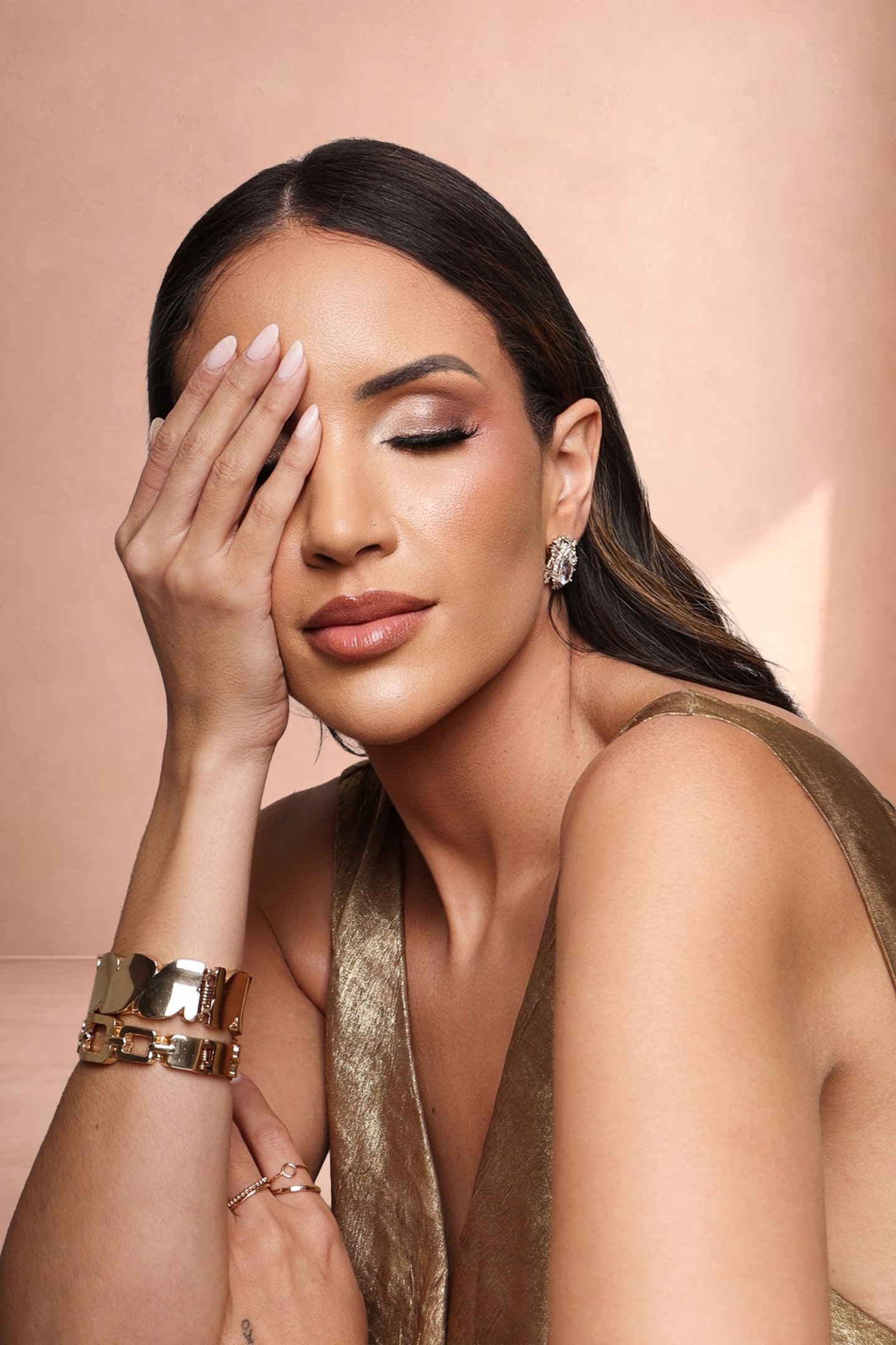
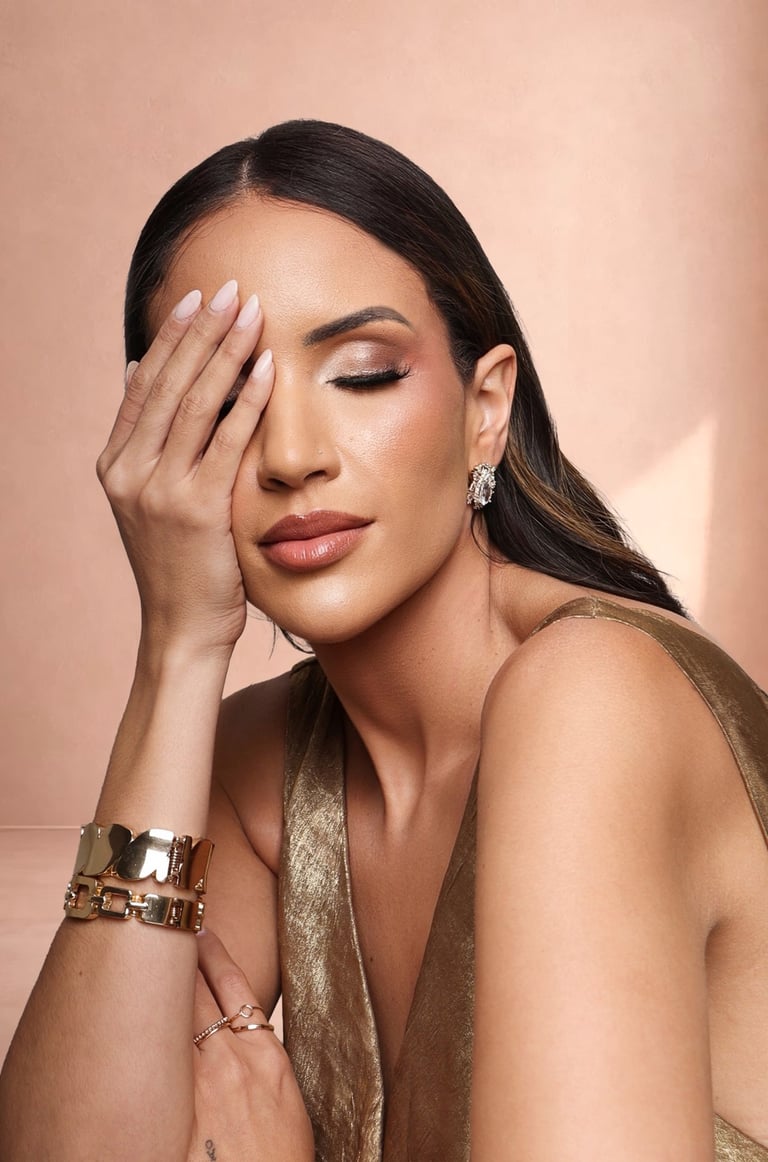
1. What motivated you to pursue a career in facial harmonization, and how did your journey begin until you became a specialist?
From the very beginning of my career, I have always been passionate about caring for people—not only in terms of aesthetics, but in how they feel about themselves. For many years, I worked in the weight loss field, closely following incredible transformations. Throughout this process, I realized something very important: alongside weight loss, there was also a real need to care for the skin and facial structure, which often did not keep up with these changes.
Facial harmonization naturally emerged as an extension of this more complete approach to care. I understood that transforming the body alone was not enough—it was essential to embrace the patient as a whole, helping them recognize themselves in the mirror with lightness and confidence.
In the beginning, I immersed myself deeply in study, practice, and technical improvement. However, it was the connection with each patient that truly shaped me. Over time, I became recognized not only for my results, but also for my care, my attentive listening, and the delicacy of my touch. That’s how the nickname “fairy hands” came about—a name I carry with great affection, as it perfectly represents how I chose to practice my profession: with technique, sensitivity, and respect for each individual story.
2. In your view, what is the true role of facial harmonization in a patient’s self-esteem and identity?
Facial harmonization should not transform—it should reveal. Its true role is to give back to the patient what time or self-perception may have distorted: confidence, lightness, and recognition of one’s own identity. When done properly, it does not create a new face; it reconnects the person with their best version, respecting their history and essence.
3. How do you balance aesthetics and naturalness in your procedures, avoiding excess and respecting each face’s individuality?
I always say that the secret lies in the eye, not just in the technique. Before any procedure, there is a meticulous analysis, but also attentive listening. Every face has a unique architecture, and my role is to enhance it—never standardize it. I prefer progressive, subtle, and elegant results. For me, NATURALNESS is the greatest LUXURY. If someone looks at a patient and sees only beauty, not intervention, I know I have achieved the ideal balance.
4. What are the main current trends in facial harmonization, and what should remain essential regardless of trends?
Today, we see a strong “less is more” trend: lighter procedures, strategic volume restoration, and a focus on skin quality. Techniques that prioritize naturalness and overall rejuvenation are on the rise. However, regardless of trends, the essentials never change: deep anatomical knowledge, safety, ethics, and absolute respect for each patient’s individuality. These are above any trend.
5. Is there an ideal patient profile for facial harmonization, or can it be adapted to different needs and ages?
There is no ideal profile—there are individual needs. Facial harmonization is extremely versatile and can be adapted for both prevention and rejuvenation. The most important thing is understanding each patient’s moment, expectations, and limits. More than age, what guides my work is proper indication and respect for each face’s timing.
6. What are the most common mistakes you see in the market, and what should patients pay attention to when choosing a professional?
One of the biggest mistakes is the pursuit of unrealistic standards or exaggerated results. Additionally, many patients still choose professionals based solely on price or promises of quick transformation. It is essential to seek a qualified professional who prioritizes safety, has solid technical knowledge, and, above all, a sensitive eye. Facial harmonization is about health and responsibility—it is not just aesthetics.
7. Beyond technique, how important are artistic vision and sensitivity in the final result of a procedure?
Technique is the foundation, but it is the artistic eye that transforms a good result into an exceptional one. Sensitivity allows us to understand nuances that are not found in books: expression, personality, and how that face communicates. My “fairy hands” are not just about a gentle touch, but about feeling what each patient truly needs—often beyond what they can express in words.
8. What are your plans for the future, and how do you see the evolution of facial harmonization in the coming years?
My goal is to continue evolving constantly, delivering even more excellence, naturalness, and human care to my patients. I believe that the pursuit of knowledge is continuous, which is why I have a strong interest in attending international courses and conferences to stay updated with the most modern, safe, and effective practices in facial harmonization.
Additionally, one of my next steps is to step onto stages, sharing my experience and vision through lectures, contributing to the development of more ethical, conscious, and well-prepared professionals. I also see great purpose in creating my own courses in the future, passing on not only technique, but also the sensitive, artistic, and human perspective that I consider essential for truly natural results.
I see facial harmonization moving toward an increasingly sophisticated, natural, and personalized approach—where beauty will not be standardized, but valued in its essence. And I want to be at the forefront of this evolution, not only as a specialist, but as a professional who inspires, educates, and transforms—always with the same purpose: to care for people with technique, sensitivity, and heart.