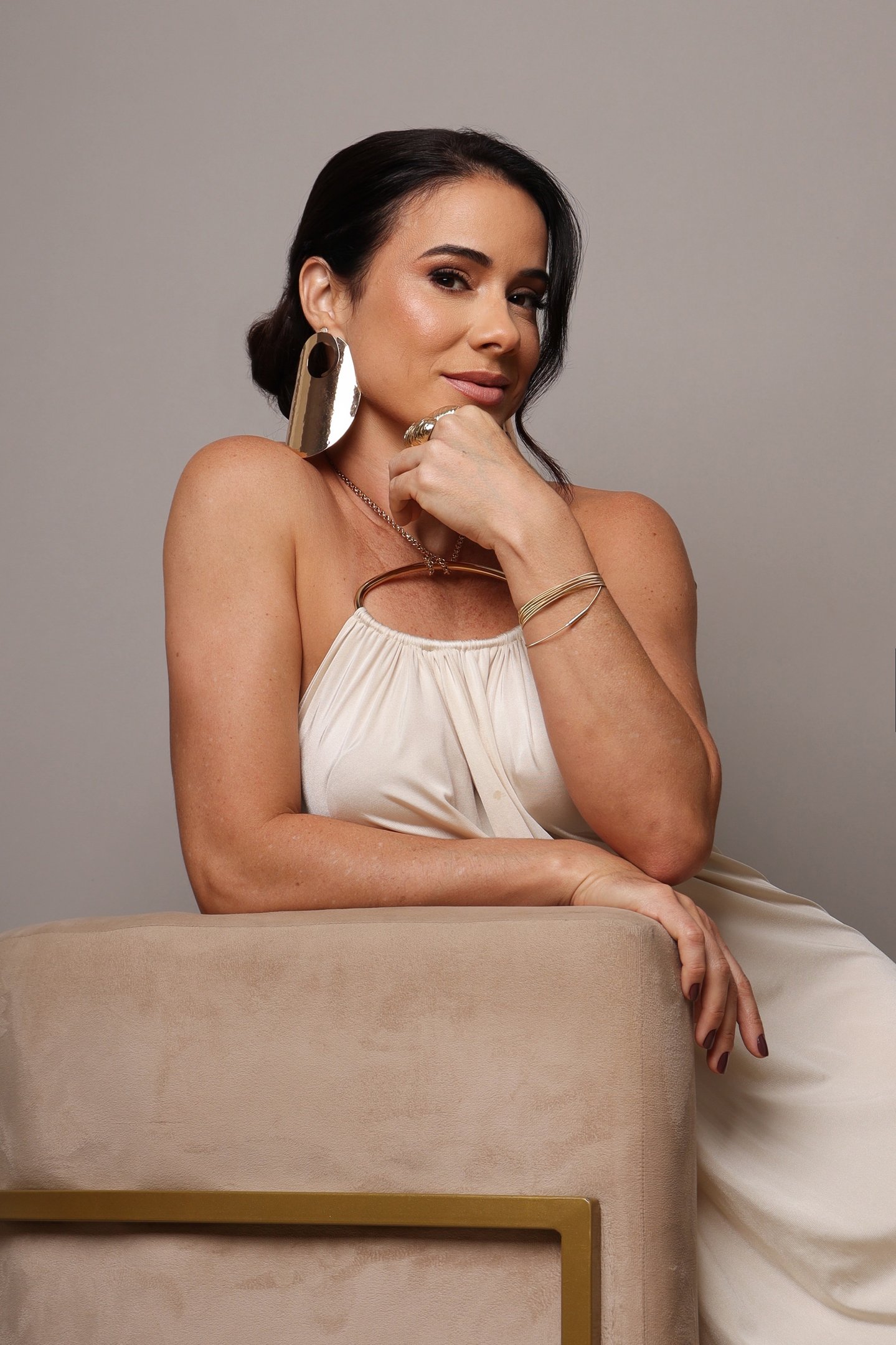
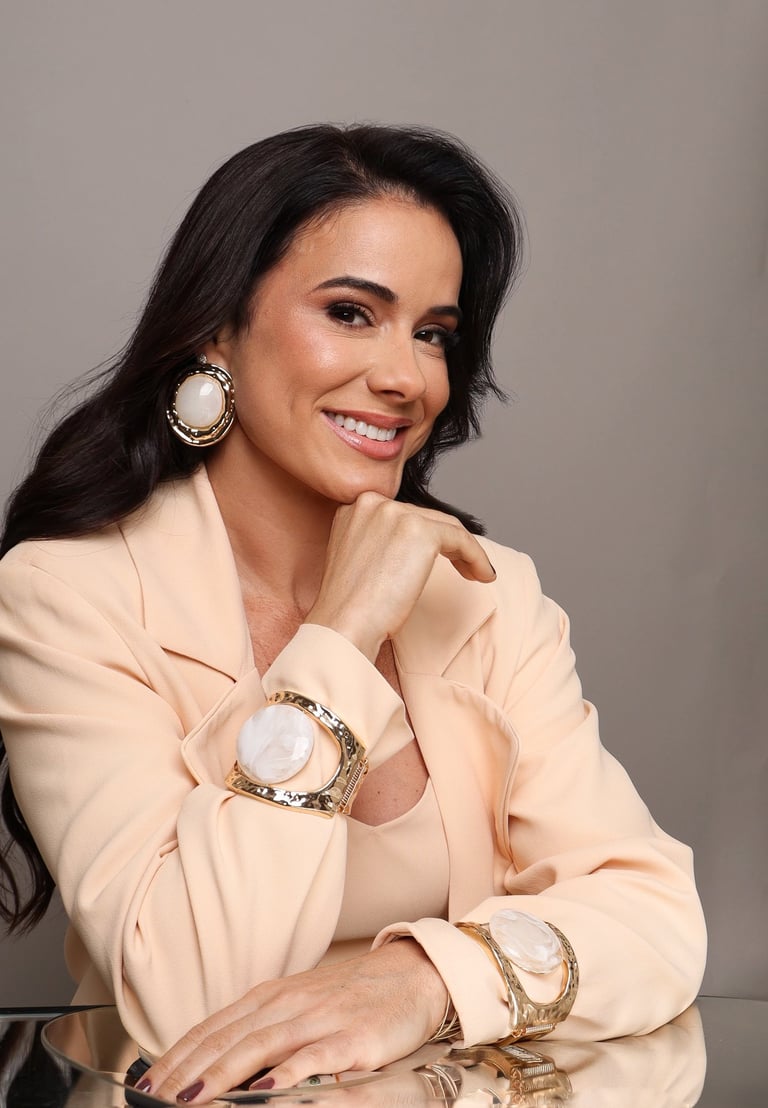
Luciana Medeiros
Elevating health to high performance and well-being
1. How did your journey in Nutrition begin?
My journey began at age 34, during a period of profound personal transformation. At the time, I was a financial director at a company, with a solid, structured, and stable career. However, as I began a more conscious search for quality of life, I fell in love with the world of healthy eating and physical activity. This process awakened something much larger than just caring for my own health—it awakened a purpose. I decided to completely change my professional path and study Nutrition. In parallel, I have always had an emotional connection with cooking, which led me to also train as a Personal Chef. Today, I am able to unite nutritional science, culinary practice, and the eating experience, showing that eating well can—and should—be a pleasure.
2. What was the turning point in your career?
The decisive moment was having the courage to leave a consolidated career in the financial sector to follow a path that truly made sense to me. It wasn't just a change of profession, but a change of life purpose. From that decision on, I immersed myself deeply in the study of nutrition, seeking a solid education and expanding my vision through a postgraduate degree in Integrative Functional Nutrition. This knowledge brought a deeper understanding of the field.
3. What sets your working method apart?
My method is based on the integration of nutritional science, a functional view of the body, and culinary practice. I believe that healthy eating needs to be realistic, flavorful, and achievable within people's routines. Because of my background as a personal chef, I can translate nutrition into daily life, teaching that it is possible to prepare balanced meals without giving up the pleasure of eating. My focus is not just prescribing diets, but educating the patient, developing food autonomy, and building sustainable habits.
4. What transformation do you enjoy providing most to your patients?
The transformation that enchants me most is when a patient regains confidence in their own body and their ability to care for their health. While physical changes are important, what truly marks my clinical practice is seeing people regain energy, self-esteem, and quality of life. When a patient begins to understand food as a tool for balance rather than restriction, I know a real transformation has occurred.
5. How do you view nutrition in the current landscape?
We live in a time where nutrition has gained enormous visibility, especially on social media. At the same time, there is an excess of superficial and often contradictory information. That is why I believe the nutritionist's role today is to bring science, responsibility, and clarity. Integrative functional nutrition contributes greatly to this context, as it expands the gaze beyond calories, considering metabolism, inflammation, gut health, food quality, and lifestyle.
6. What does excellence mean in your field?
Excellence means a continuous commitment to knowledge, professional ethics, and sustainable results. Working in nutrition means dealing directly with health, longevity, and quality of life. Therefore, I believe excellence involves constant updates, an individualized approach, and the ability to integrate different aspects of food—from science to the pleasure of cooking and sharing a meal.
7. What are your next professional steps?
My goal is to increasingly expand the reach of my work, bringing quality nutritional education to more people. I want to develop projects that integrate clinical nutrition, functional eating, and culinary practice, showing that healthy eating can be simple, pleasurable, and transformative. I also intend to strengthen my presence within integrative functional nutrition, contributing to a more preventative and strategic vision of health.